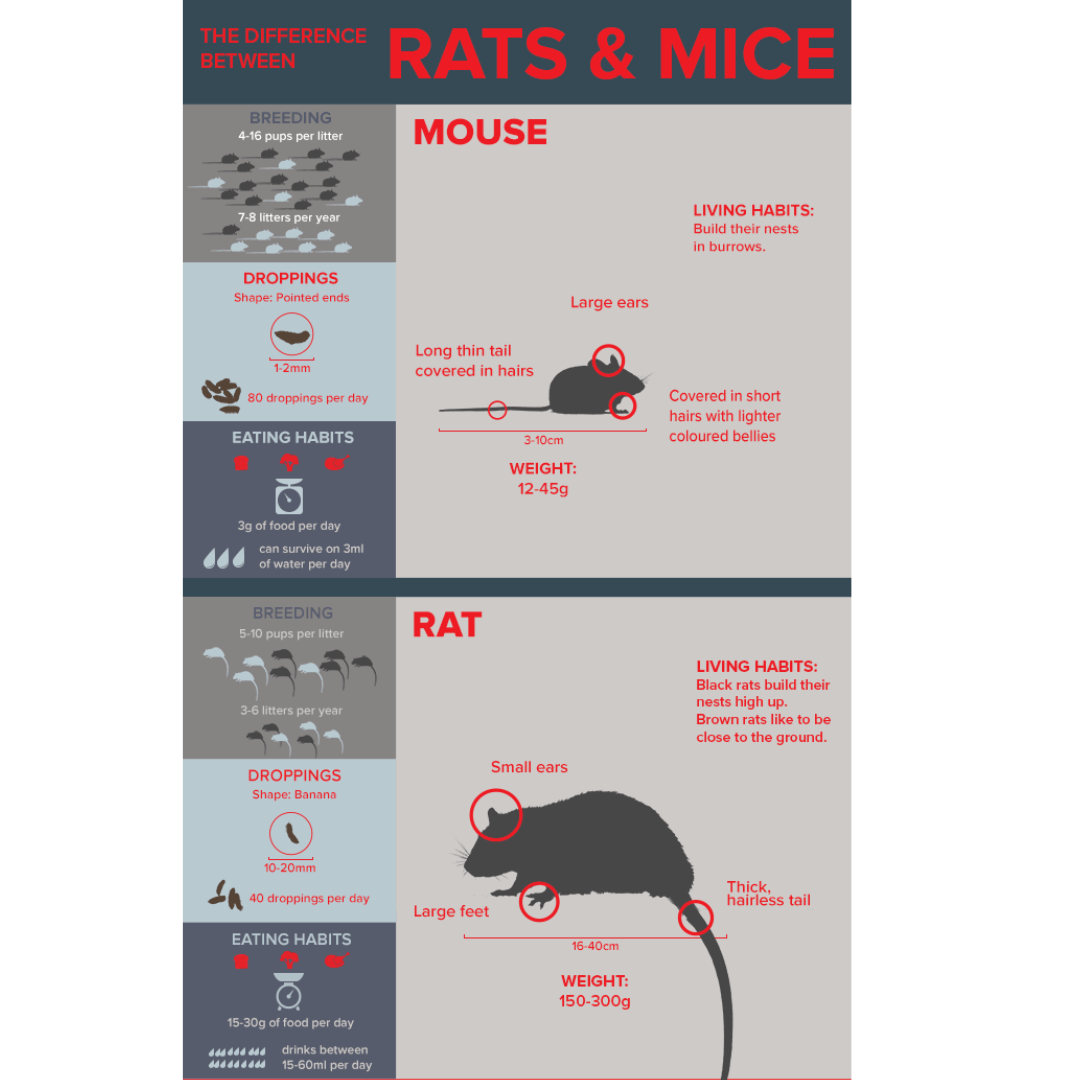
Finding small dark droppings inside your home can be alarming, especially when you are unsure whether they come from roaches or mice. Although the droppings may look similar at first glance, several important differences between roach poop and mouse poop can help you correctly identify the pest. Early identification is important because both pests require different treatment methods and can create serious health risks if ignored.
This guide explains how to identify the size, shape, texture, and location of pest droppings in a simple, practical way. You will also learn about common infestation signs, safe cleaning methods, and prevention tips to help keep your home clean, safe, and pest-free.
Roach poop vs Mouse poop
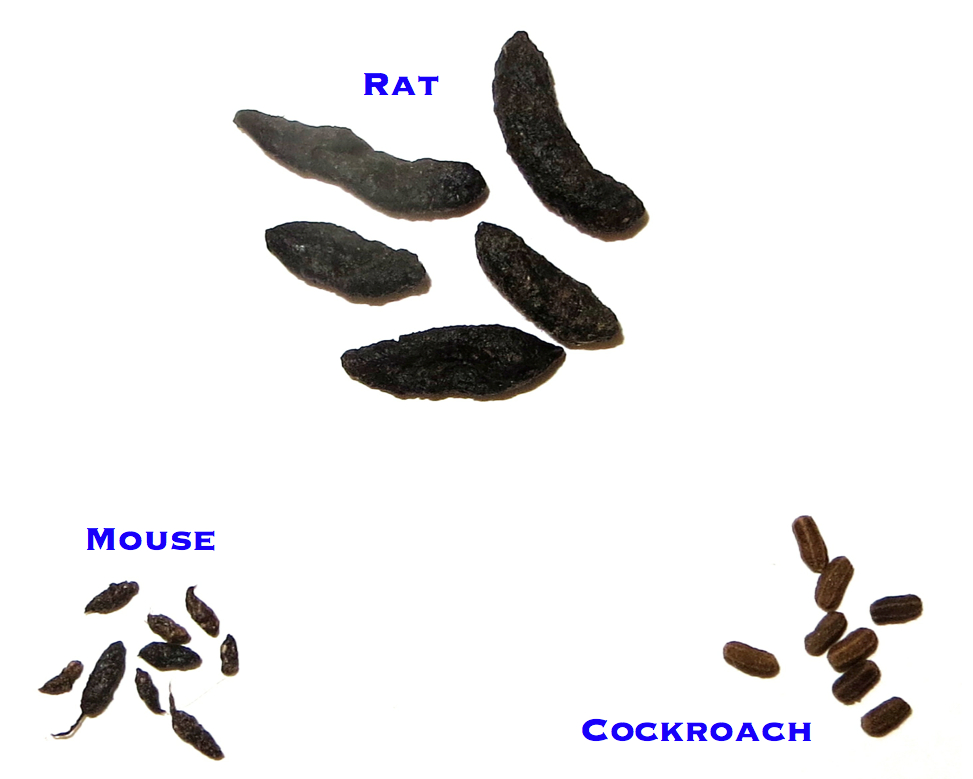
The term roach poop vs mouse poop refers to the differences between cockroach droppings and mouse droppings. Many people confuse the two because both can appear as small dark pellets, especially in hidden areas of the home. However, when examined closely, they differ in size, shape, texture, and location.
Understanding these differences is important because roaches and mice require completely different pest control methods. Mouse droppings are usually larger with pointed ends, while cockroach droppings are smaller and often resemble black pepper or coffee grounds.
Correctly identifying the source of the droppings can help homeowners take faster action, avoid unnecessary treatments, and reduce health risks linked to pest infestations.
Why Accurate Identification of Pest Droppings Matters
Correctly identifying the difference between roach poop and mouse poop is very important because the wrong identification can lead to ineffective pest control methods. Many homeowners mistake one for the other and end up using the wrong traps, sprays, or cleaning techniques, which allows the infestation to continue growing.
Accurate identification also matters for health reasons. Mouse droppings can spread harmful diseases such as hantavirus and salmonella, while cockroach droppings may trigger allergies, asthma, and breathing problems, especially in children and sensitive individuals.
Recognizing pest activity early helps you respond faster, reduce health risks, and prevent more serious damage inside your home.
Mouse Droppings: Size, Shape & Appearance
When comparing roach poop vs mouse poop, mouse droppings are usually larger and easier to identify. They often look like small dark rice grains with pointed ends and a smooth texture.
Fresh mouse droppings are typically dark black and slightly shiny, while older droppings become gray, dry, and brittle over time. This difference can help determine whether mouse activity is recent or old.
Mice also tend to leave droppings along walls, near food sources, behind furniture, or in trails where they frequently travel. Recognizing these signs early can help homeowners identify a mouse infestation more quickly and take action before the problem becomes worse.
For safe pest control methods, the EPA recommends integrated pest management techniques.
Cockroach Droppings: Visual Identification Guide
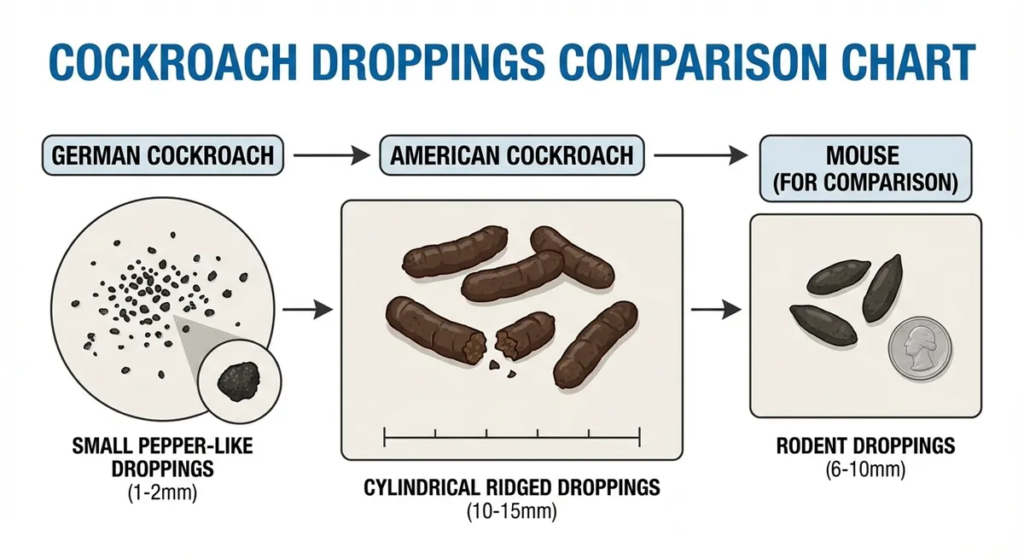
When comparing roach poop vs mouse poop, cockroach droppings usually look much smaller and more scattered than mouse droppings. Small roaches often leave droppings that resemble black pepper, coffee grounds, or tiny dark specks.
Larger cockroaches may produce short cylindrical droppings with blunt ends and ridged sides. Unlike mice, which often leave droppings in trails, cockroach droppings are commonly found in clusters near hiding places and food sources.
These droppings are most often discovered in kitchens, bathrooms, cabinets, under sinks, behind appliances, and other dark or moist areas where cockroaches tend to hide. Observing the size, texture, and location of the droppings can help you identify a cockroach infestation more accurately.
Roach Poop vs Mouse Poop: Key Differences Explained
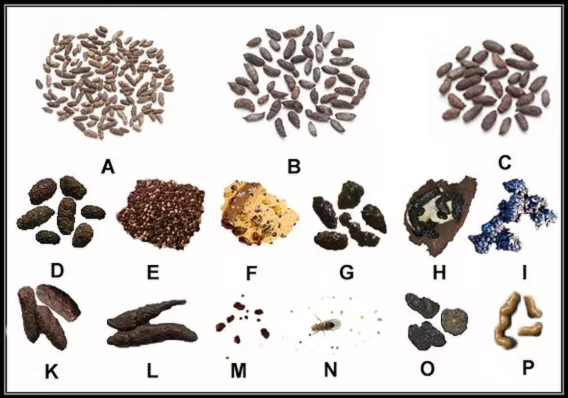
Although cockroach and mouse droppings may look similar at first, there are several easy ways to tell them apart. Paying attention to the size, shape, texture, and location of the droppings can help you identify the pest correctly.
Mouse Droppings
- Larger and longer in size
- Looks like dark rice grains
- Usually have pointed ends
- Smooth texture
- Commonly found in trails near walls, food areas, or behind furniture
Cockroach Droppings
- Smaller and finer in appearance
- Looks like black pepper or tiny pellets
- Usually have blunt ends
- Grainy or rough texture
- Often found in clusters inside kitchens, bathrooms, cabinets, and dark corners.
Understanding these differences can help homeowners choose the correct pest control method quickly and avoid unnecessary treatments.
Where to Find Droppings in Your Home
The location of pest droppings can often help you determine whether you are dealing with mice or cockroaches. Both pests prefer different hiding spots inside the home, which makes location an important clue during identification.
Common Places for Mouse Droppings
- Along walls and corners
- Behind furniture and appliances
- Near food storage areas
- Inside cabinets, drawers, or storage boxes
- Around garages, attics, and basements
Common Places for Cockroach Droppings
- Kitchens and bathrooms
- Under sinks and near drains
- Inside cabinets and pantry areas
- Behind refrigerators and stoves
- Dark, warm, and moist corners
Checking these common locations carefully can make it easier to identify the pest problem early and take the right action quickly.
Other Signs That Confirm Pest Identification
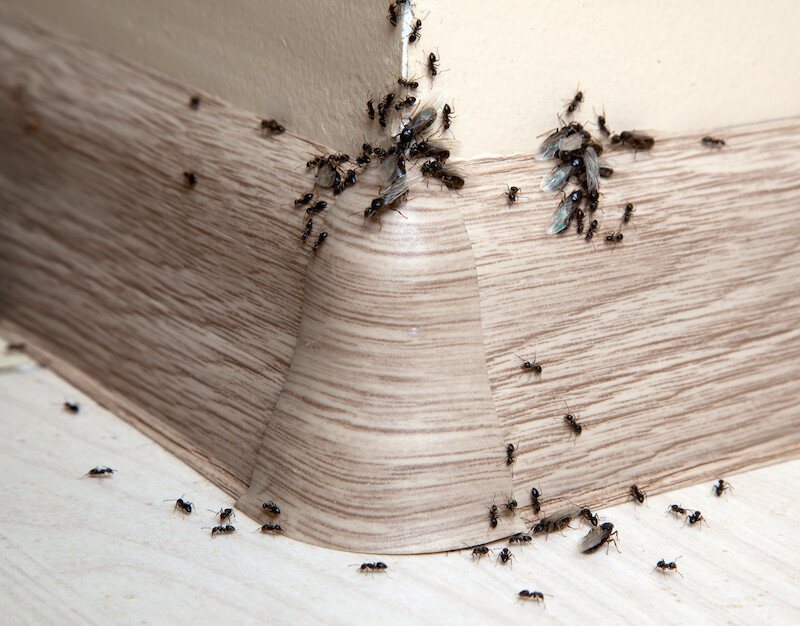
Droppings are not the only clue when identifying a pest problem. Mice and cockroaches also leave other noticeable signs that can help confirm the type of infestation inside your home.
Common Signs of Mice
- Scratching or squeaking noises, especially at night
- Gnaw marks on food packages, wires, or furniture
- Strong unpleasant smell in hidden areas
- Shredded paper or fabric used for nesting
- Greasy rub marks along walls
Common Signs of Cockroaches
- Egg cases near dark corners or cabinets
- Dead roaches around the home
- Oily or musty odor in infested areas
- Smear marks on walls or surfaces
- Roaches appear when the lights are turned on at night
Observing these signs along with the droppings can help you identify the pest more accurately and choose the correct treatment method.
Health Risks Associated with Roach and Mouse Droppings
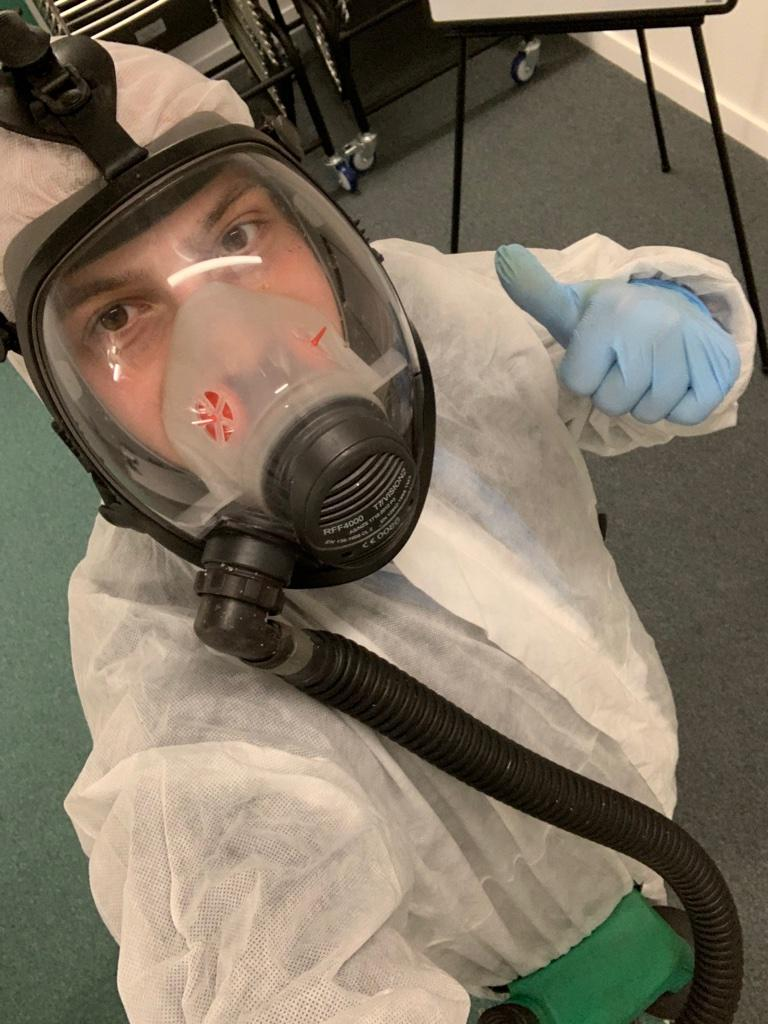
Both cockroaches and mice can create serious health risks inside the home, which is why pest droppings should never be ignored. Even small infestations can expose family members to harmful bacteria, allergens, and airborne particles.
According to the CDC, mouse droppings can spread hantavirus and other serious diseases.
Health Risks Linked to Mouse Droppings
- Can spread diseases such as hantavirus and salmonella
- May contaminate food and kitchen surfaces
- Can trigger infections through direct contact or airborne particles
Health Risks Linked to Cockroach Droppings
- Can worsen allergies and asthma symptoms
- May trigger breathing problems, especially in children
- Can spread bacteria in kitchens and food preparation areas
Cleaning droppings safely and controlling infestations quickly is important for maintaining a healthy and hygienic living environment.
Learn more about home health risks at ForbesSpot through helpful guides and expert insights.
Step-by-Step Guide to Identify Pest Droppings
If you are unsure whether the droppings in your home come from roaches or mice, following a simple inspection process can make identification much easier.
1. Check the Size
Mouse droppings are usually larger and longer, while cockroach droppings are much smaller and finer.
2. Observe the Shape
Mouse droppings often have pointed ends, whereas cockroach droppings usually appear blunt or pepper-like.
3. Look at the Color
Fresh droppings are generally dark black, while older droppings may become gray, dry, or faded over time.
4. Check the Location
Mouse droppings are commonly found near walls, food areas, and hidden paths, while cockroach droppings are more common in kitchens, bathrooms, and moist corners.
5. Notice the Pattern
Mouse droppings are often scattered in trails, while cockroach droppings usually appear in clusters near hiding spots.
Following these simple steps can help homeowners identify the pest problem more accurately and choose the right treatment method quickly.
How to Safely Clean Roach and Mouse Droppings
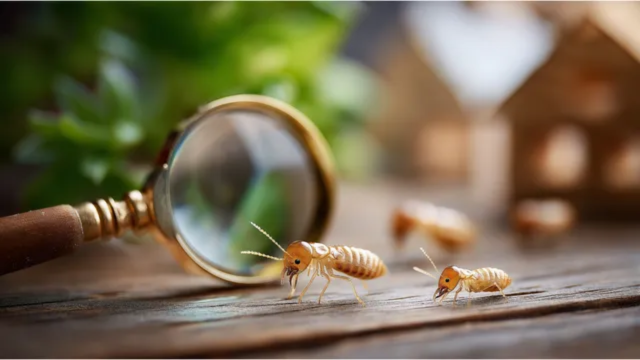
After identifying pest droppings, proper cleaning is very important to reduce health risks and prevent the spread of bacteria or allergens. Cleaning should always be done carefully, especially when dealing with mouse droppings.
Safe Cleaning Steps
- Wear disposable gloves and, if possible, a face mask
- Open windows or improve ventilation before cleaning
- Spray the area with disinfectant instead of sweeping dry droppings
- Use paper towels or disposable cloths for cleanup
- Seal waste in a plastic bag before throwing it away
- Wash your hands thoroughly after cleaning
Important Safety Tips
- Avoid vacuuming or sweeping mouse droppings directly, as harmful particles can spread into the air.
- Clean nearby surfaces, food areas, and hidden corners carefully
- For cockroach droppings, disinfect kitchens, cabinets, and moist areas properly
Using safe cleaning methods can help protect your home from bacteria, allergens, and other health risks linked to pest infestations.
Best Methods to Control Infestation
For Mice
- Use traps in active areas
- Seal holes and cracks
- Store food properly
- Remove clutter and nesting spots
For Cockroaches
- Use sprays or bait gels
- Keep kitchens and bathrooms clean
- Fix water leaks
- Seal dark hiding places
Using the correct treatment method helps control the infestation faster and more effectively.
To prevent mouse infestations, PestWorld recommends sealing all entry points around your home.
Prevention Tips to Avoid Future Problems
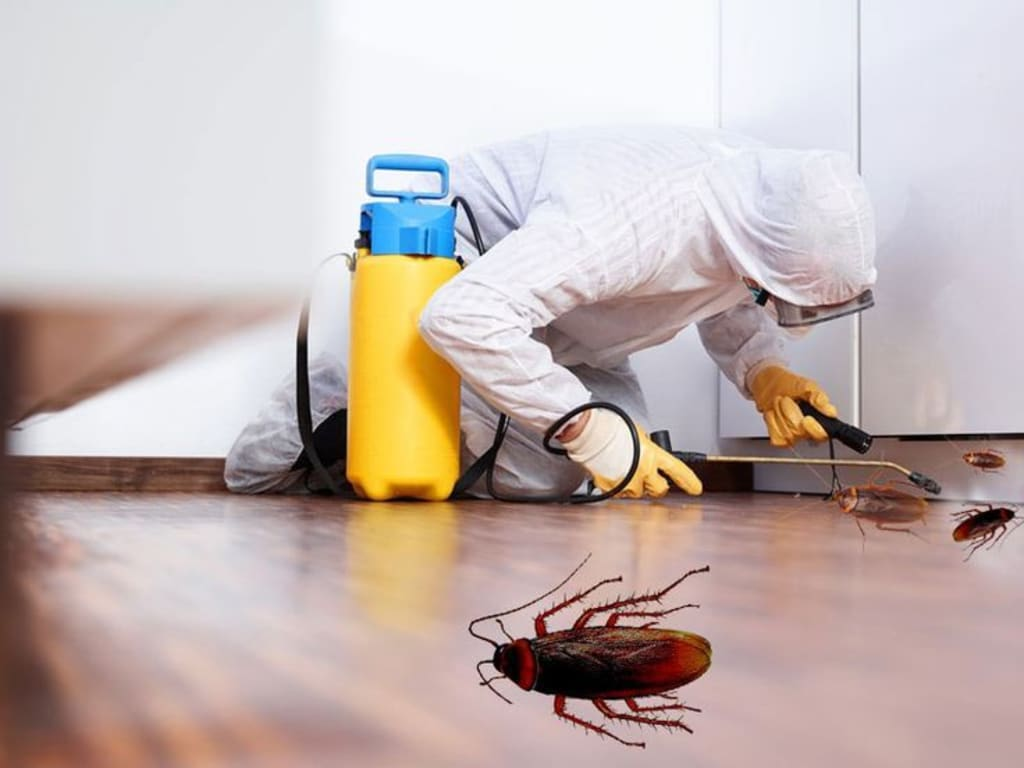
Keep your home clean and clutter-free
- Store food in sealed containers
- Fix water leaks and moisture problems
- Seal cracks, holes, and entry points
- Empty trash bins regularly
Simple prevention steps can help keep roaches and mice away from your home.
When to Call a Professional
You should contact a pest control professional if:
- Droppings keep appearing after cleaning
- The infestation becomes large
- You notice strong odors or damage
- DIY treatments are not working
- Roaches or mice are spreading to multiple areas
Professional pest control experts can identify the problem quickly and provide more effective long-term solutions.
Conclusion
Understanding the difference between roach poop and mouse poop can help you identify pest problems early and choose the right treatment method. Paying attention to the size, shape, texture, and location of droppings makes it easier to determine whether you are dealing with cockroaches or mice.
Quick action, proper cleaning, and regular prevention steps can help protect your home from health risks and future infestations. Keeping your home clean and addressing pest signs early is the best way to maintain a safe and healthy environment.
FAQs
1. How can I tell if droppings are from a mouse or a cockroach?
Mouse droppings are usually larger with pointed ends, while cockroach droppings are smaller, grainier, and often found in clusters.
2. Are roach and mouse droppings dangerous?
Yes, both can create health risks. Mouse droppings may spread harmful diseases, while cockroach droppings can trigger allergies and asthma.
3. Where are pest droppings most commonly found?
Mouse droppings are often found near walls, food areas, and behind furniture, while cockroach droppings are usually found in kitchens, bathrooms, and dark, moist spaces.
4. What is the safest way to clean pest droppings?
Always wear gloves, use disinfectant, and avoid sweeping or vacuuming dry mouse droppings directly to prevent harmful particles from spreading into the air.
5. How can I prevent roaches and mice from coming back?
Keeping your home clean, storing food properly, fixing leaks, and sealing cracks or entry points can help prevent future infestations.
